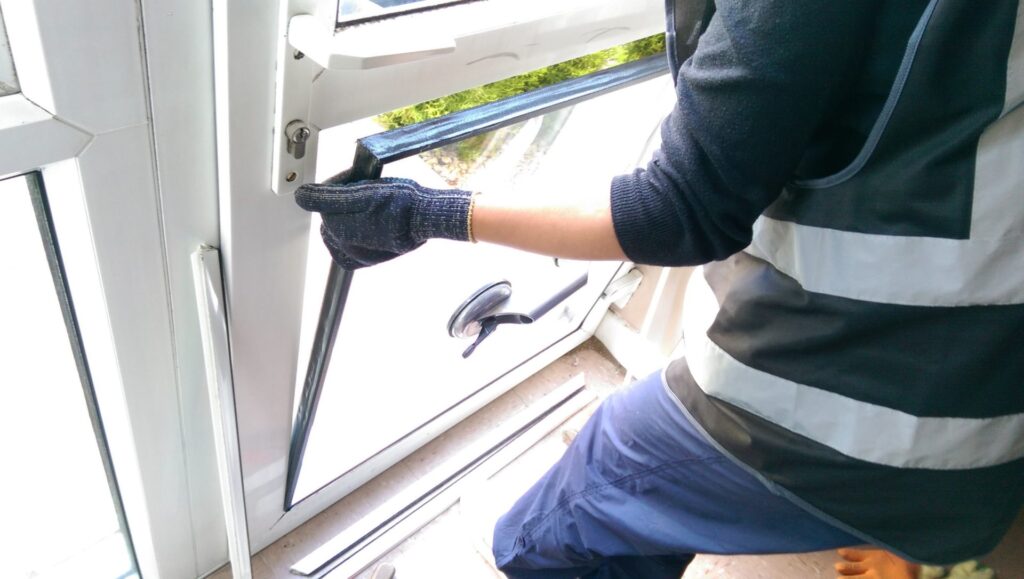
What Will Residential Glass Repair Be Like In 100 Years?
Residential Glass Repair: Understanding the Process, Benefits, and FAQs
Glass is a fundamental part of many residential structures, using both visual appeal and functional benefits. From windows and doors to shower enclosures and mirrors, glass aspects can enhance the beauty of a home. Nevertheless, like any product, glass is vulnerable to damage from mishaps or natural wear and tear. This article explores the various aspects of residential glass repair, including common kinds of damage, repair processes, advantages, and frequently asked concerns.
Common Types of Glass Damage
Residential glass can experience various kinds of damage that may demand repair or replacement. Here are some typical concerns homeowners encounter:
Type of Damage
Description
Cracks
Visible cracks that can compromise structural stability and security.
Chips
Small breakages that frequently occur on the edges of glass panes.
Shattered Glass
Total breakage of the glass, rendering it unusable and posing security risks.
Fogged or Cloudy Glass
Built up wetness in between glass panes leads to a cloudy appearance.
Scratches
Surface area imperfections that can lessen clarity, especially on windows.
Understanding these common kinds of damage can assist homeowners recognize the need for repair and take prompt action.
The Glass Repair Process
The process of residential glass repair varies depending on the type of damage and the particular glass component included. Here's a basic outline of how the repair procedure generally unfolds:
1. Assessment
A qualified technician evaluates the damage, determining whether repair or replacement is the very best alternative. This assessment may involve taking a look at the level of cracks, chips, or other issues.
2. Measurement
If a replacement is necessary, precise measurements of the existing glass are taken to ensure a proper fit.
3. Glass Selection
Depending on the type of glass being repaired or changed (single-pane, double-pane, tempered, etc), the technician will source the suitable materials.
4. Preparation
The location around the broken glass is prepared. Repair My Windows And Doors includes eliminating broken pieces and cleaning the surrounding frame.
5. Repair/Replacement
- For small chips and cracks: A resin is injected into the broken location, treated with UV light, and polished to bring back clarity.
- For shattered glass: The harmed pane is eliminated and replaced with brand-new glass, making sure a safe and secure fit.
6. Clean-Up
After the repair or replacement is complete, the technician will clean up the area, ensuring no particles is left behind.
7. Last Inspection
Lastly, a comprehensive evaluation is carried out to verify the integrity and performance of the fixed or changed glass.
Benefits of Professional Glass Repair
Selecting professional glass repair services uses a number of benefits for homeowners, including:
- Safety: Trained specialists follow safety protocols to guarantee that the repair or replacement procedure does not pose any risks.
- Quality: Professionals utilize state-of-the-art products and possess the proficiency to make sure long-lasting repairs.
- Time Efficiency: Experienced technicians can finish repairs quickly, reducing interruption to the family.
- Cost-Effectiveness: Addressing minor damages promptly can prevent more extensive and pricey repairs in the future.
- Increased Property Value: Maintaining the integrity of glass components can boost the general aesthetic appeal, positively impacting home worth.
Regularly Asked Questions (FAQs)
1. How do I understand if my glass can be fixed or requires replacement?
A professional assessment is the best method to determine this. Minor cracks and chips can often be fixed, while considerable damage or shattered glass may require replacement.
2. What should I do if my window glass is misting up?
Fogging usually shows a broken seal in double-pane windows. Speak with a glass repair professional for an evaluation and prospective replacement.
3. Can I repair minor glass chips myself?
Do it yourself repairs can be reliable for little chips, but for the best outcomes and to guarantee safety, it is advised to seek advice from a professional.
4. The length of time does the typical glass repair take?
The timeline can vary based upon the level of the damage and the type of glass, however most repairs are completed within a couple of hours.
5. Will my property owners insurance coverage cover glass repair or replacement?
Coverage differs by policy. It's suggested to talk to your insurance coverage company to understand your specific protection.
6. What is the cost of residential glass repair?
The cost depends upon numerous aspects, consisting of the kind of glass, level of the damage, and whether repair or replacement is needed. Property owners must get numerous quotes to compare prices.
Residential glass repair is a necessary service that makes sure the security, functionality, and visual appeal of a home. By comprehending the types of damages, the repair process, and the benefits of professional intervention, homeowners can make informed decisions when confronted with glass concerns. Constantly think about seeking advice from a qualified technician to examine any glass-related damage in your house, keeping both safety and design in your home.